ENVRI Community International Winter School 2021
Section outline
-
Trainers: Antonio José Sáenz-Albanés, José María García-Rodríguez
In this session you will learn basic concepts about semantics and how it can enrich your data resources and increase their FAIRness, and turning them into machine-actionable data that can be effectively discovered and accessed by interested parties. We will also consider additional aspects to foster the discoverability of data resources, such as security and relevant software tools.
-
Trainers: Ute Karstens, Claudio D'Onofrio, Karolina Pantazatou, Ida Storm
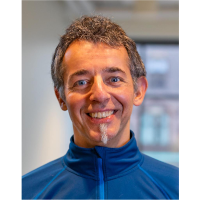
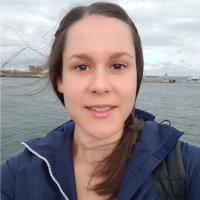
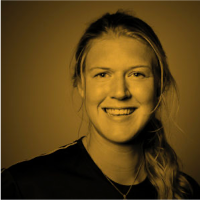
In this session you will find a short presentation on a fully integrated web application at ICOS Carbon Portal, on the example of the atmospheric transport model STILT. We will run through a full life cycle for an 'on demand' model run and results visualisation. Further on we will show case how to use the results to create a new data product. A hands-on workshop follows to create a simple timeseries plot comparing STILT results with observational data and creating an interactive map for the station location.
-
Trainers: Nicola Fiore, Lucia Vaira
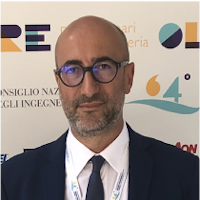
In this session you will find a short presentation on the LifeWatch ERIC Metadata Catalogue in order to show how resources (datasets, services, workflows, etc.) can be published on a catalogue. In particular, we will go through the entire process behind the resource publication and we will show how to create/publish/access new resources. A breakout room will follow the lecture to let students creating their own resources.
-
Trainers: Zhiming Zhao
This session will discuss how to develop and operate data management services in cloud environments. By using examples from the ENVRIplus and ENVRI-FAIR projects, we will demonstrate the basic steps to run a legacy application in cloud, to develop native cloud applications, to automate the application deployment, and to auto-scale a runtime application. Students will practice on the cloud infrastructures offered by providers such as EOSC or LifeWatch.