Available courses

Background 

The ENVRI Community International Winter School 2021 'ENVRI-FAIR Resources: Access & Discoverability' focuses on Data FAIRness focuses and covers semantic navigation, Jupyter environments for visualisation and data discovery, resource access tools and cloud computing. Aiming at supporting end users to make the best use of the data, the School establishes the end user perspective as a crucial element to develop good user interfaces and services to interact with data.


Learning Objectives

It is expected that, by the end of the course, participants will be better positioned to:

1. Discuss basic concepts of semantics presenting how they can enrich data resources, enhance FAIRness and foster discoverability of data resources

2. Examine the full life cycle of an 'on demand' model run and results visualization for the creation of a new data product.

3. Illustrate how resources (datasets, services, workflows) can be created, published and accessed on a metadata catalogue (LifeWatch ERIC Metadata Catalogue).

4. Demonstrate the basic steps to run a legacy application in cloud, develop native cloud applications, automate application deployment and auto-scale a runtime application.


Content and Structure

Training Sessions:

1. Semantics

2. VREs, Data analysis and Visualization

3. Resource Access Tools

4. Cloud computing for developing and operating data management services 


Target Audience

The resource is aimed at data centres staff, RIs representatives, IT experts and individuals interested in data access and discoverability.
Background 

In recent years, one of the major challenges in the Environmental and Earth Science has been managing and searching larger volumes of complex data, collected across multiple disciplines. Many different standards, technologies and common practices have been developed to support each phase of the Data Lifecycle. This course focuses on the creation and reuse of FAIR data and services in the Environmental and Earth sciences.


Learning Objectives

It is expected that, by the end of the course, participants will be better positioned to:

1. Discuss basic concepts of semantics presenting how they can enrich data resources, enhance FAIRness and foster discoverability of data resources

2. Examine the full life cycle of an 'on demand' model run and results visualization for the creation of a new data product.

3. Illustrate how resources (datasets, services, workflows) can be created, published and accessed on a metadata catalogue (LifeWatch ERIC Metadata Catalogue).

4. Demonstrate the basic steps to run a legacy application in cloud, develop native cloud applications, automate application deployment and auto-scale a runtime application.


Content and Structure

Training Sessions:

1. Semantics

2. VREs, Data analysis and Visualization

3. Resource Access Tools

4. Cloud computing for developing and operating data management services 


Target Audience

The resource is aimed at data centres staff, RIs representatives, IT experts and individuals interested in data access and discoverability.
SCUOLA PRIMARIA

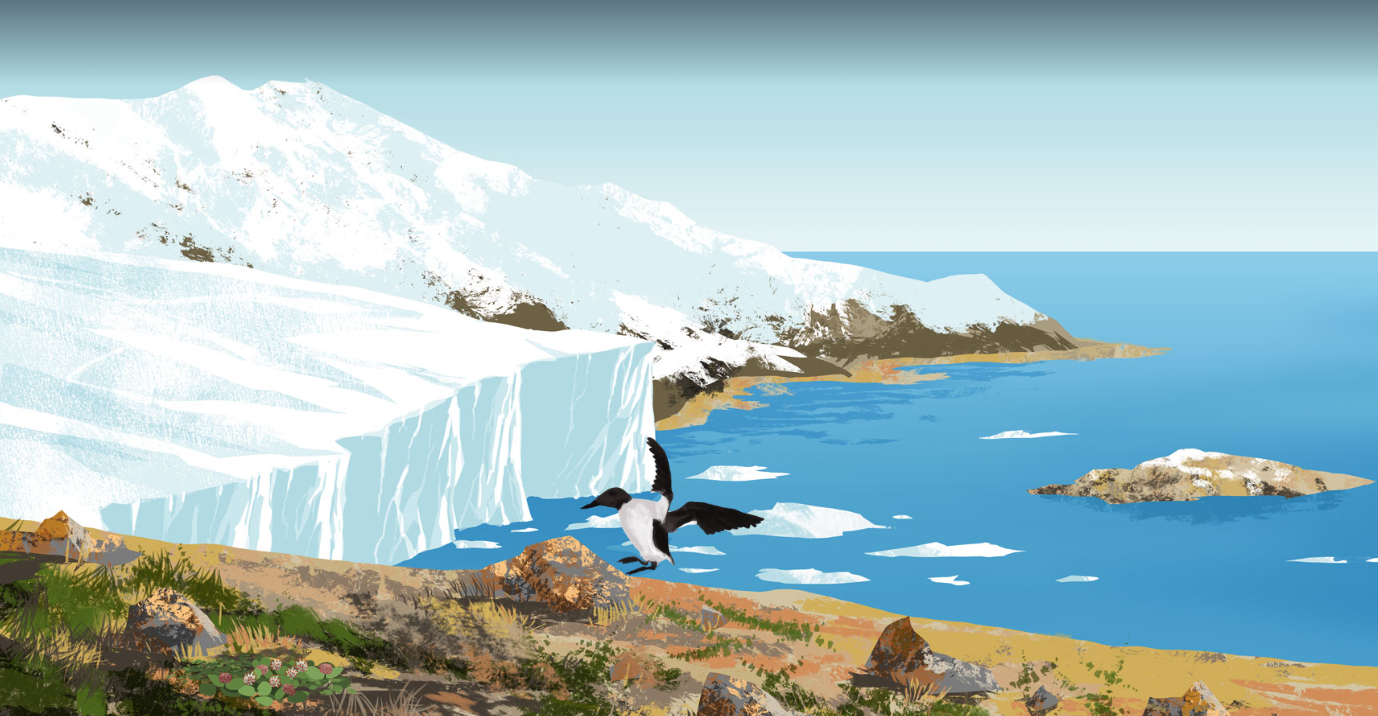
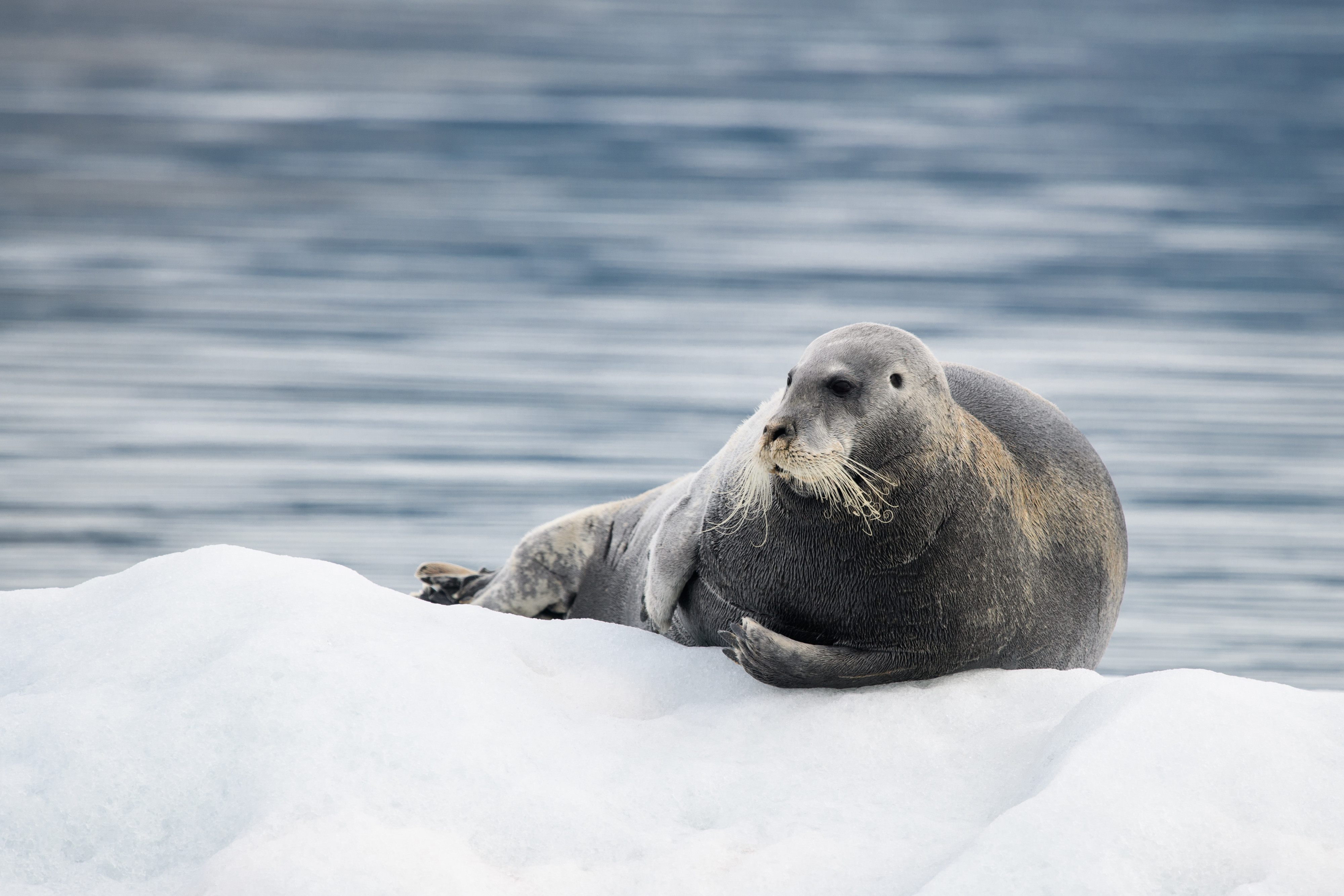
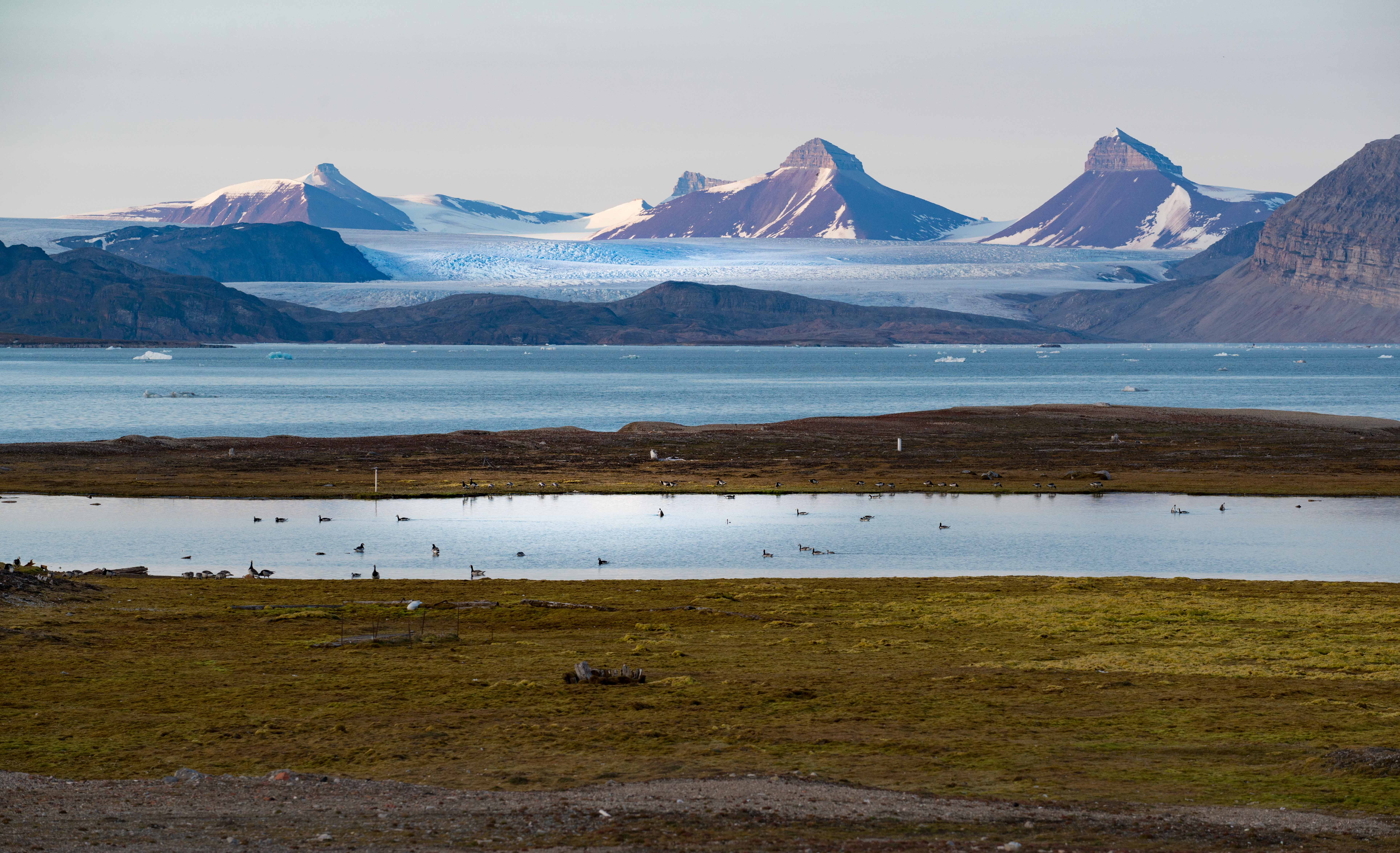
La tematica è un approfondimento sull’Artico, una regione che circonda il Polo Nord fatta di terre, mari e ghiacciai sia terrestri che marini. L'Artico, pur essendo ricoperto da ghiacciai, ospita una varietà di organismi adattati a vivere in questo habitat. Testi a cura di Cecilia Noce - Istituto di Geoscienze e Georisorse CNR. 

CLICCA SUL TITOLO PER VISUALIZZARE I CONTENUTI.

SCUOLA SECONDARIA DI PRIMO GRADO

La tematica è un approfondimento sull’Artico, una regione che circonda il Polo Nord fatta di terre, mari e ghiacciai sia terrestri che marini. L'Artico, pur essendo ricoperto da ghiacciai, ospita una varietà di organismi adattati a vivere in questo habitat. Testi a cura di Cecilia Noce - Istituto di Geoscienze e Georisorse CNR. 

CLICCA SUL TITOLO PER VISUALIZZARE I CONTENUTI.

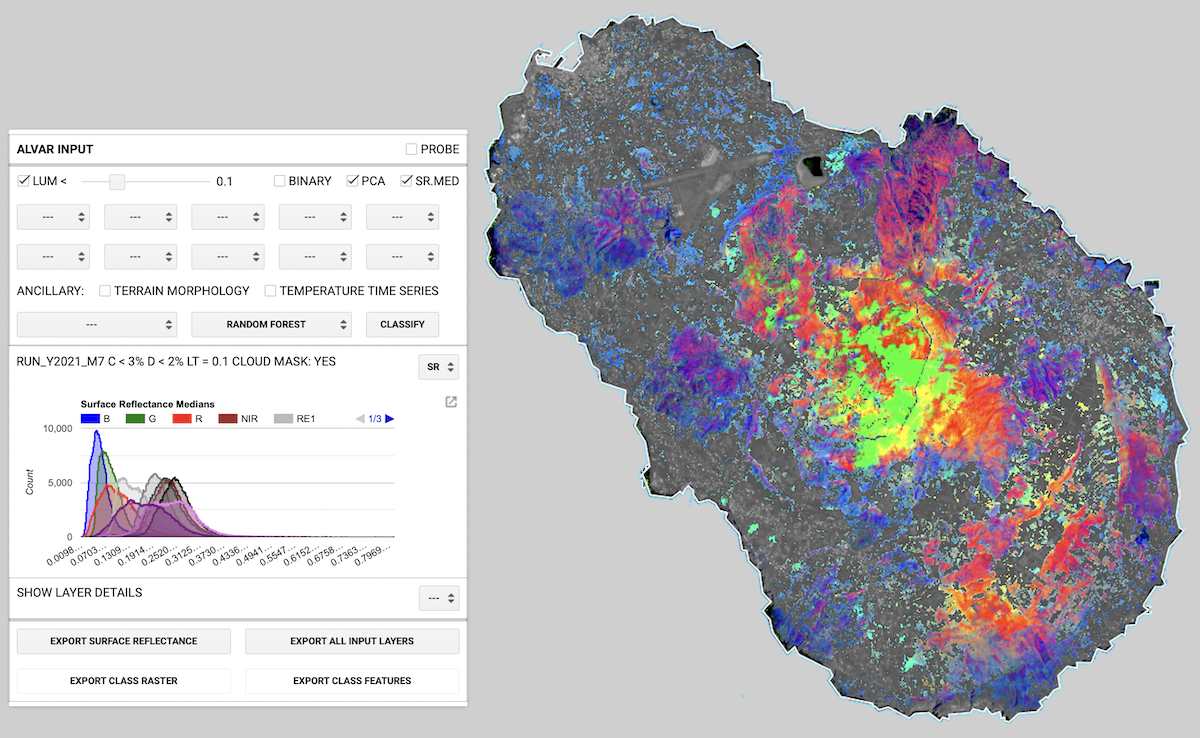
Alvar is a Google Earth Engine cloud application for early reconnaissance of Ailanthus altissima. Alvar is based on Copernicus Sentinel-2 optical imagery at 10m ground pixel resolution. The service rationale is that each plant species shows peculiar signals in the optical range and, possibly, time-series signatures. Hence, recognising the invasive alien species A. altissima is in principle feasible, given a characteristic optical spatiotemporal signature. However, even if we can have physiological clues, we do not know such a signature. Alvar supports the search and reconnaissance of A. altissima optical signature exploiting the cloud computing capability of fast time series search of the images and the vegetation-related associated optical indices, without the need for local data download. Alvar exploits the machine learning algorithms exposed by the Google Earth Engine APIs and trains them by means of a user-provided training/control set of empirical observations. The user interface is GUI-based and the intervention on the code consists only in importing the appropriate training set and tuning the area of interest bounding box accordingly.

SCUOLA SECONDARIA DI SECONDO GRADO

La tematica è un approfondimento sull’Artico, una regione che circonda il Polo Nord fatta di terre, mari e ghiacciai sia terrestri che marini. L'Artico, pur essendo ricoperto da ghiacciai, ospita una varietà di organismi adattati a vivere in questo habitat. Testi a cura di Cecilia Noce - Istituto di Geoscienze e Georisorse CNR. 

CLICCA SUL TITOLO PER VISUALIZZARE I CONTENUTI.

SCUOLA PRIMARIA

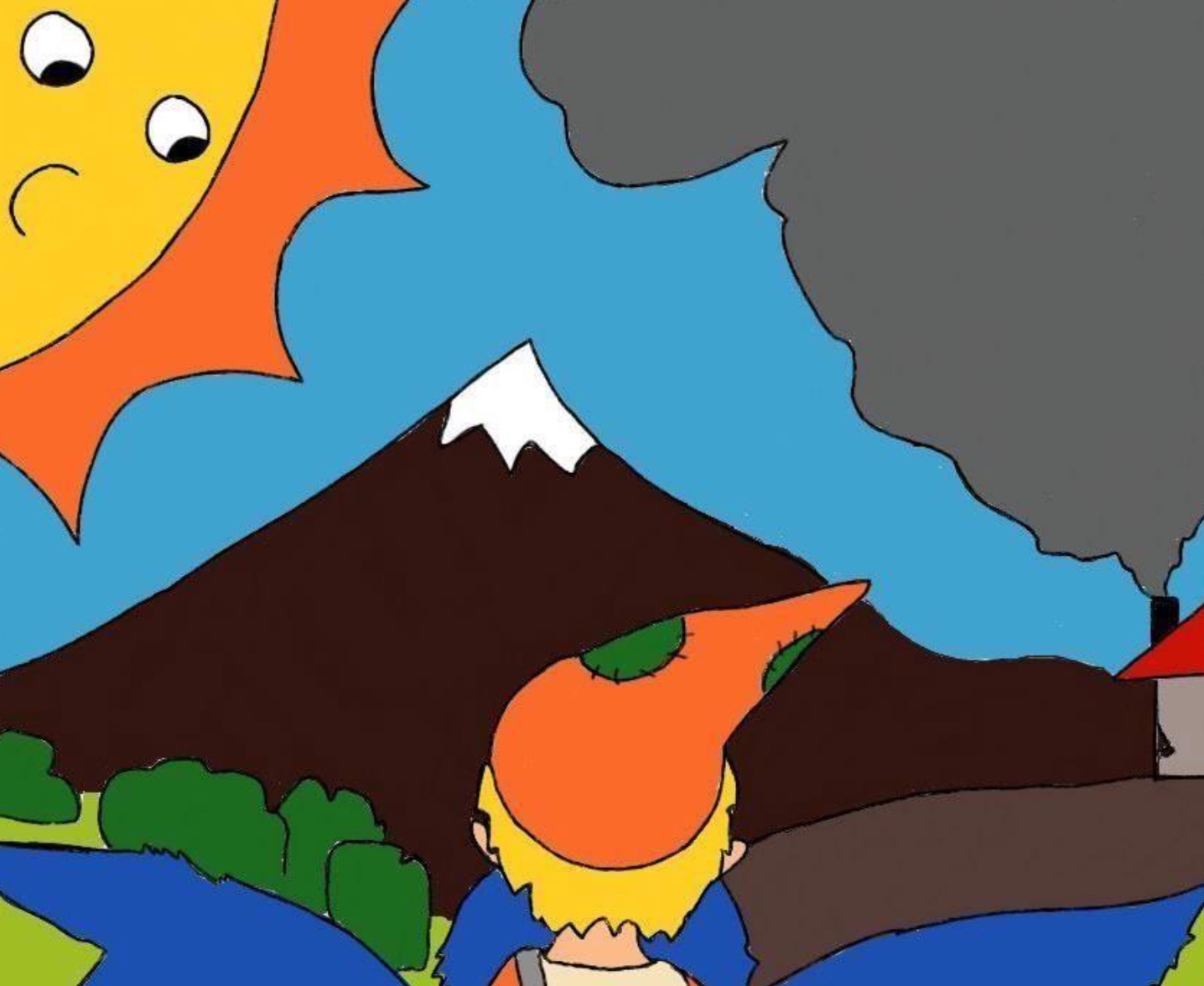
La tematica è una riscrittura creativa della fiaba Pollicino. Essa vuole invitare i più piccoli a riflettere sull'importanza di madre natura, sui tanti comportamenti errati dell'essere umano e sulla possibilità di una convivenza pacifica tra gli esseri umani e gli ecosistemi naturali. 

Realizzata nell'ambito del Laboratorio di Letteratura per l'infanzia - Scienze della Formazione Primaria (Università del Salento) da Agrosì Sandra, Blasi Pamela, Chiffi Luca, De Giorgi Manuela. La tematica include anche una UDA 'Contemplare attraverso la natura e coltivare l'empatia per madre natura' realizzata ispirandosi anche a concetti di Biofilia.

CLICCA SUL TITOLO PER VISUALIZZARE I CONTENUTI.

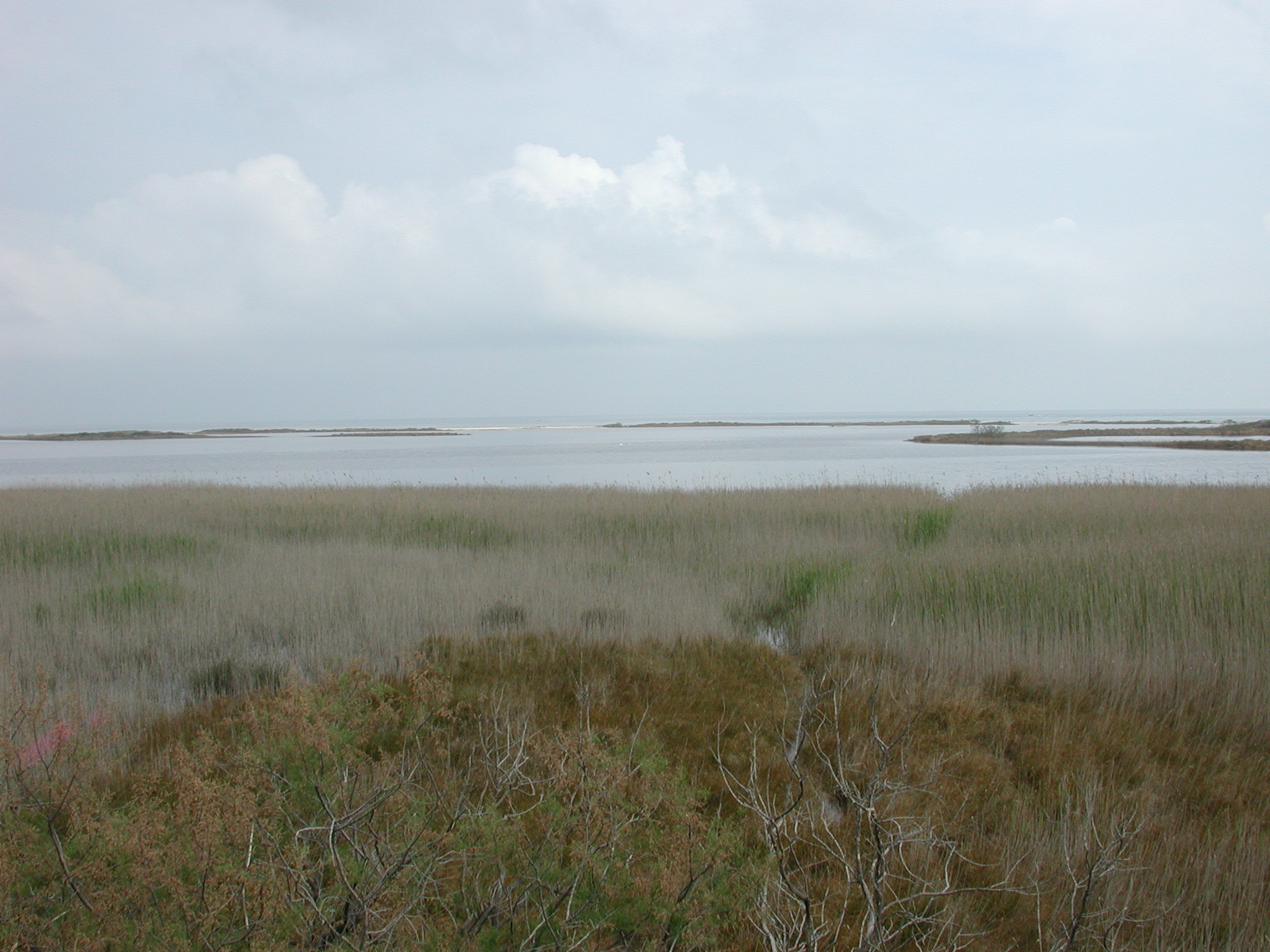
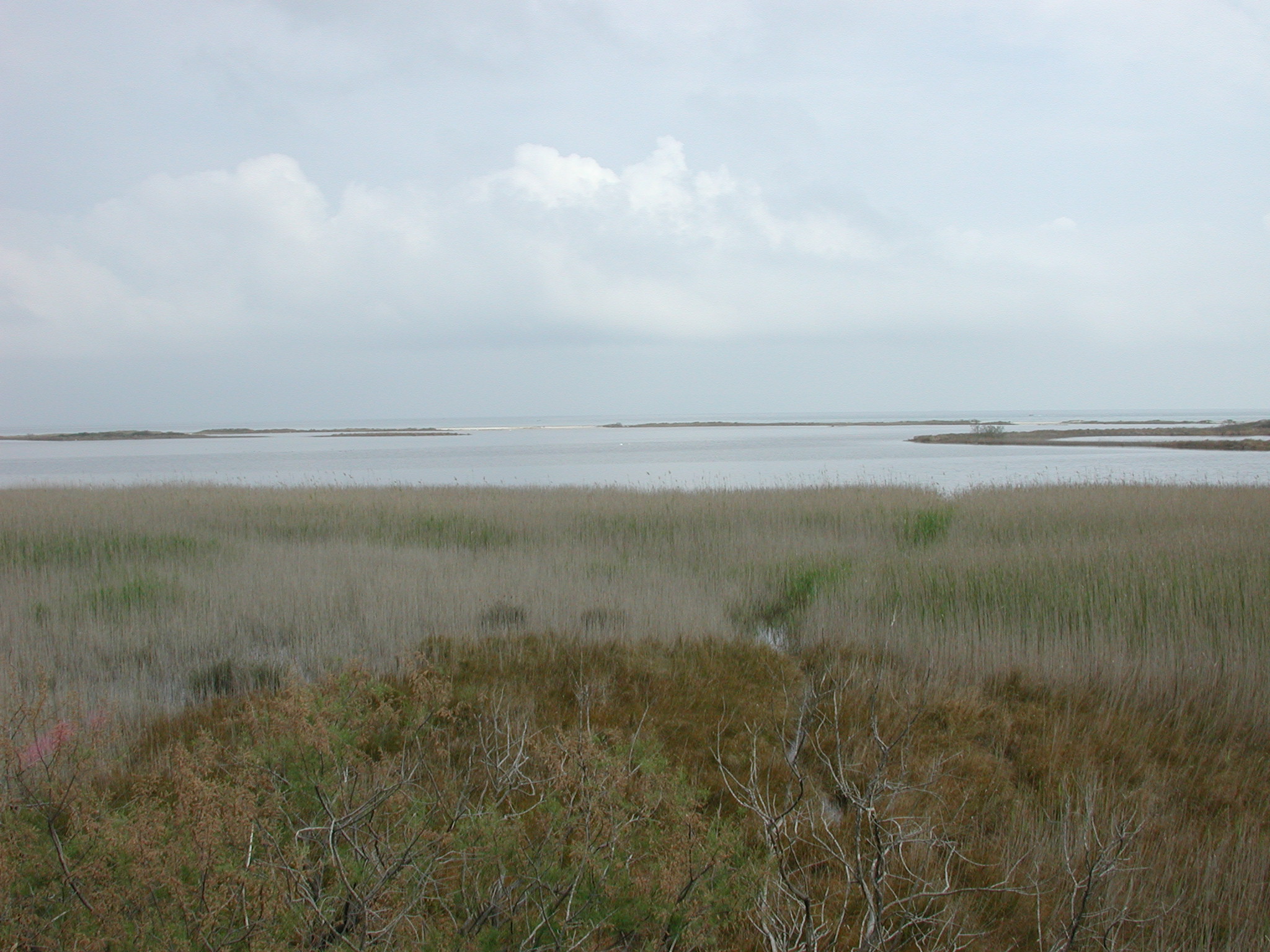
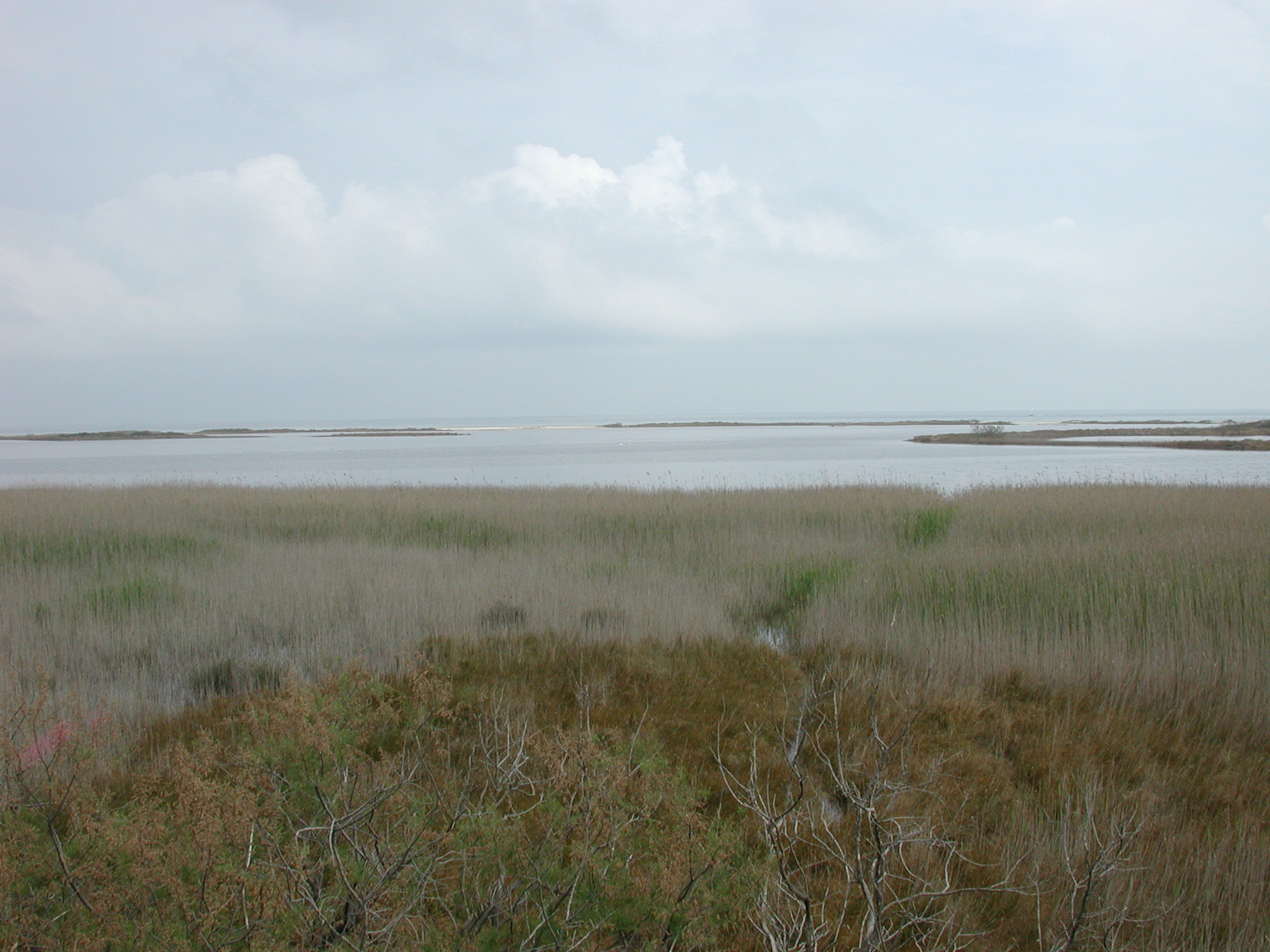
La tematica descrive e approfondisce le wetlands, zone umide come lagune, laghi costieri, stagni.  Sono ecosistemi dalle caratteristiche peculiari e con particolari proprietà molto importanti anche per gli esseri umani. CLICCA SUL TITOLO PER VISUALIZZARE I CONTENUTI.

La tematica descrive e approfondisce le wetlands, zone umide come lagune, laghi costieri, stagni.  Sono ecosistemi dalle caratteristiche peculiari e con particolari proprietà molto importanti anche per gli esseri umani. CLICCA SUL TITOLO PER VISUALIZZARE I CONTENUTI.

QUESTA TEMATICA E' RIVOLTA ALLE SCUOLE ITALIANE

PER LA GARA FINALE DI ECOLOGICACUP 2026 NON E' NECESSARIO studiare la sezione ZONE UMIDE IN AZIONE: CASI DI STUDIO SCIENTIFICI Pag. 10


This topic describes and explores wetlands, such as lagoons, coastal lakes, and ponds. These ecosystems have unique characteristics and unique properties that are also important for humans. CLICK ON THE TITLE TO VIEW THE CONTENTS.

THIS TOPIC IS FOR FOR SCHOOLS IN SOUTH AFRICA

FOR THE ECOLOGICACUP 2026 FINAL COMPETITION, IT IS NOT NECESSARY to study the section WETLANDS IN ACTION: SCIENTIFIC CASE STUDIES, Page 9.


If you want discover the special features of this adorable species and the importance of protected areas, sanctuaries and parks for the conservation of biodiversity, play here. The Scientific game has been created in collaboration with the Rifugio degli Asinelli Onlus.

To test your skills in the field of Scientific Research and Biodiversity play this Scientific game.

Are you a high school student? Here you can discover the biodiversity heritage of Castelporziano, exploring the ecosystems and species that inhabit them. This Scientific game has been created in collaboration with Castelporziano Presidential Estate, National Academy of Sciences.

If you are a middle school student and want test your knowledge on the management and conservation of resources at the Presidential Estate of Castelporziano, play here. This Scientific game has been created in collaboration with Castelporziano Presidential Estate, National Academy of Sciences.

If you are a child aged six to ten and want explore the distinctive ecosystems of Castelporziano, play this Scientific game. This Scientific game has been created in collaboration with Castelporziano Presidential Estate, National Academy of Sciences.

Your travel in the Presidential Estate of Castelporziano starts here. If you want explore the artistic and cultural aspects of Castelporziano, traveling into its past and its history, play this Scientific game. This Scientific game has been created in collaboration with Castelporziano Presidential Estate, National Academy of Sciences.

If you want know the general characteristics of the ecosystems and learn more on the biodiversity, play this Scientific game.

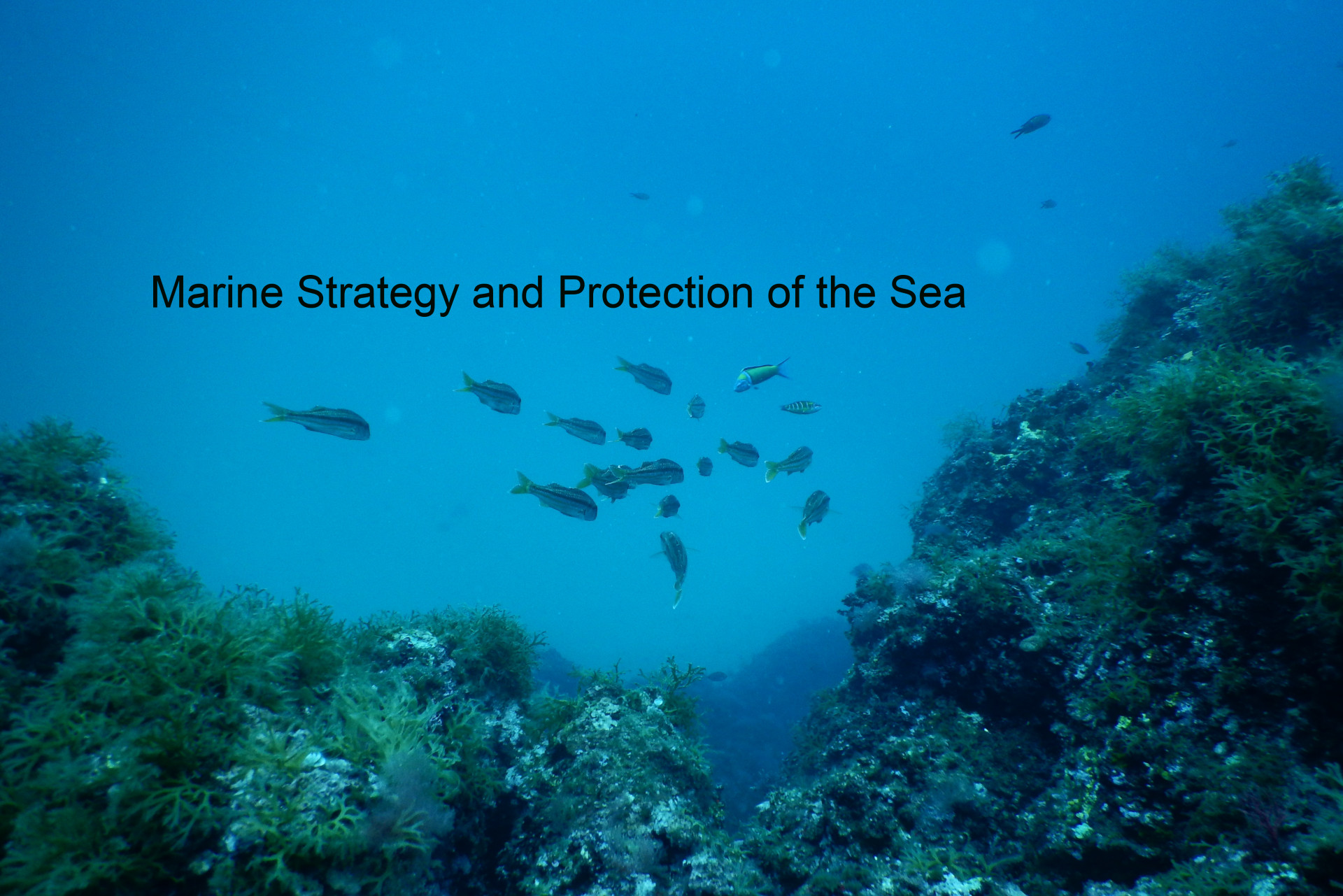
Are you interested in the impacts about the Mediterranean Sea? Do you want contribute to its protection? Play this Scientific game.

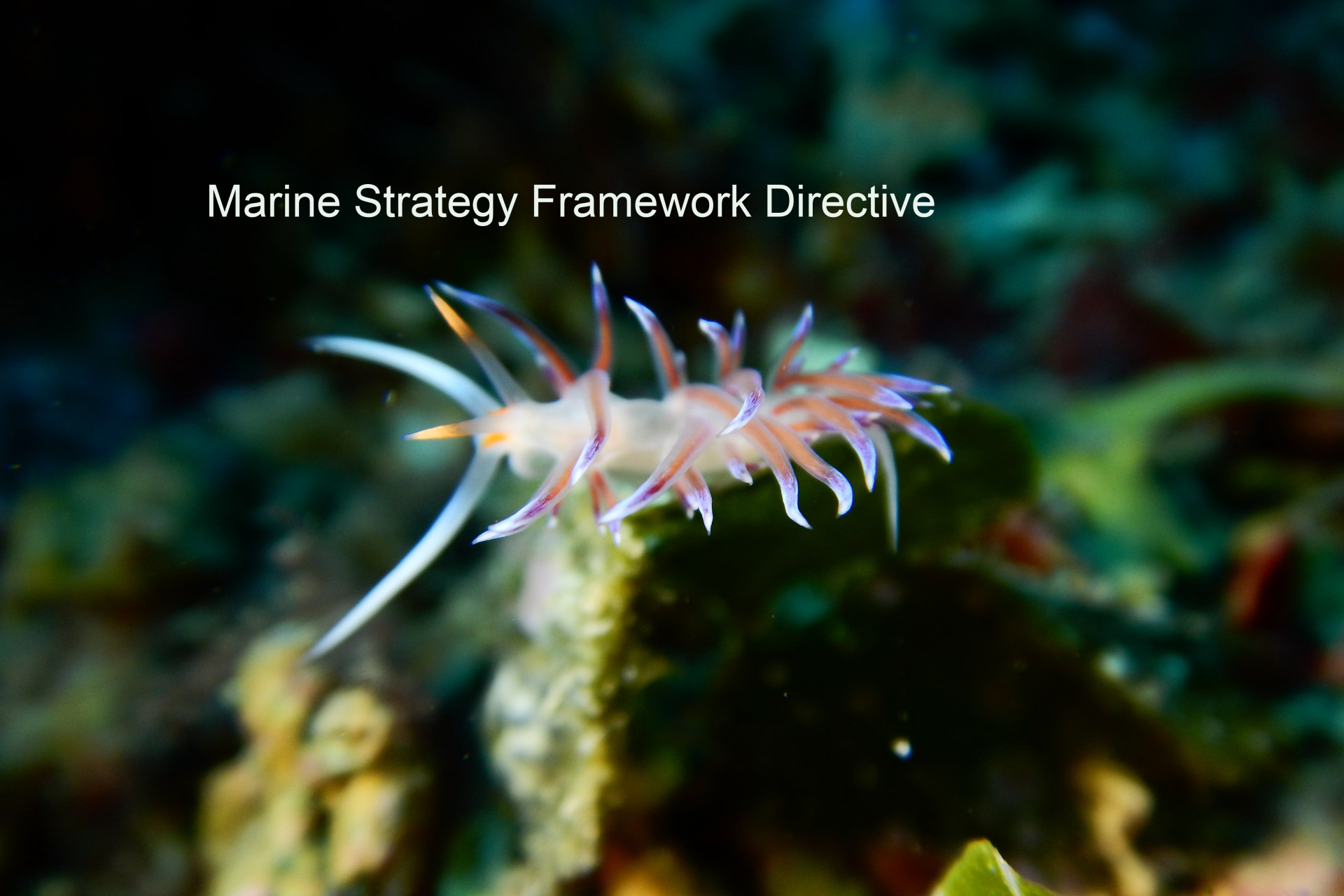
If you want learn more about the European Directive focusing on the protection of the life in the Mediterranean Sea, play here.

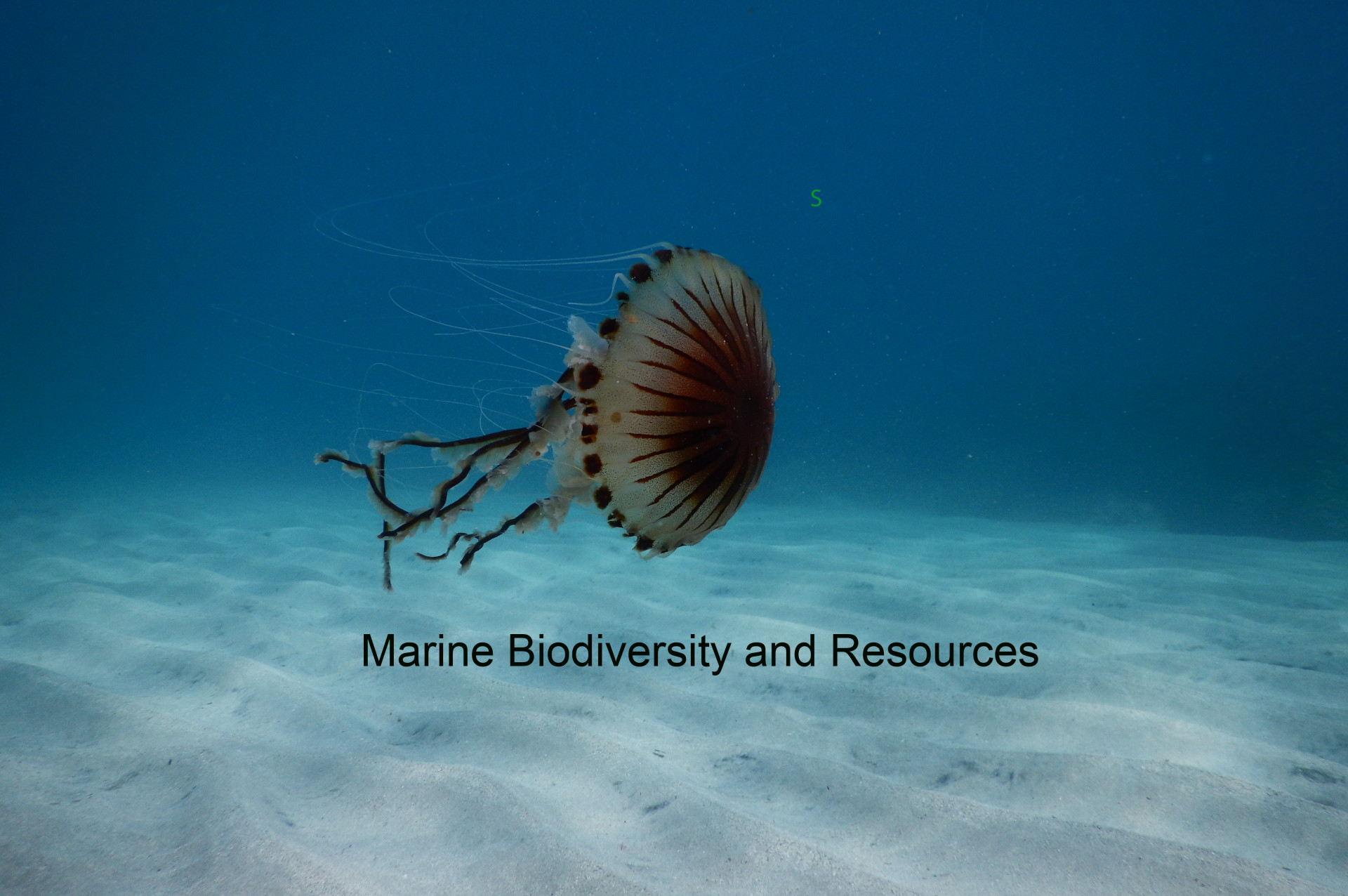
Are you curious about the marine biodiversity and the resources of the marine ecosystems? Play here.

If you want learn more about the abiotic and biotic characteristics of the Sea, play here.

To test your knowledge about the major European wetlands, their geography and ecology, play here.

To learn more about Earth Sciences and the hydrogeological risks, you can play this Scientific game.

If your interests are on the fascinating world of e-Infrastructures for supporting advanced research, play here.

Do you know how the scientific method is applied? Here, you can find notice. Research Game is a game produced in a Comenius Project (The European Scientific Research Game) which aims at motivating secondary school students through the experience of the excitement of scientific research. 
MEDREGION Scientific Gaming allows to study and apply the method of scientific research applied to the monitoring of ecological and environmental status of Mediterranean marine ecosystems in a entertaining way through the use of a video game focused on ecological tools useful to describe the marine ecosystem status, such as biodiversity, water noise, eutrophication, alien species and on the approach of the Marine Strategy Framework Directive. 
MEDCIS Scientific Gaming allows to study and apply the method of scientific research applied to the monitoring of ecological and environmental status of Mediterranean marine ecosystems in a entertaining way through the use of a video game focused on ecological tools useful to describe the marine ecosystem status, such as biodiversity, water noise, eutrophication, alien species and on the approach of the Marine Strategy Framework Directive. 

Are you curious in ecological thems such as biodiversity and ecosystems, natural risks, computing environment, marine science? ENVRIplus can answere to your curiosity. It is driven by three overarching goals: 1) favouring cross-fertilization between Research Infrastructures, 2) implementing innovative concepts and devices across Infrastructures, and 3) facilitating research and innovation in the field of environment to an increasing number of users outside the Research Infrastructures.
If you are interested to protected areas and Earth observations visit this section devoted to ECOPOTENTIAL project. It focuses its activities on a targeted set of internationally recognised Protected Areas, blending Earth Observations from remote sensing and field measurements, data analysis and modelling of current and future ecosystem conditions and services. It include a Scientific game. 

Test your skills in scientific research with the CASCADE science game. Through this game, you can improve your knowledge of how science studies the world around us and you will learn how to plan exciting new research in marine ecology. You will examine your background on marine ecosystems, learn more about biodiversity, and test your knowledge of marine impacts.

Se sei curioso di scoprire l'Ecologia attraverso esperienze maturate nell'ambito di progettualità attuate a livello nazionale per studenti di scuola, visita la piattaforma EcoLogicaMente e registrati per seguire i corsi che destano maggiormente la tua curiosità. I corsi disponibili sono organizzati per macro-tematiche tra cui la biodiversità, la conservazione delle risorse naturali, la sostenibilità ambientale e sono fruibili per differenti livelli di approfondimento e difficoltà.

SCUOLA SECONDARIA

La tematica descrive le origini dell'Ecologia e approfondisce le tematiche oggetto di studio dell'Ecologia anche in relazione agli impatti sugli ecosistemi, facendo alcune riflessioni sulle prospettive future. 

CLICCA SUL TITOLO PER VISUALIZZARE I CONTENUTI.


SCUOLA PRIMARIA

La tematica approfondisce l'effetto serra sul pianeta Terra. I contenuti sono presentati in forma di unità didattica; per lo studio della parte teorica utile agli allenamenti e gara finale cerca e studia le slide con ‘pallino verde’.

Da un'idea e proposta di Graziana Grassi (Scienze della Formazione Primaria - Università del Salento).

CLICCA SUL TITOLO PER VISUALIZZARE I CONTENUTI.

SCUOLA PRIMARIA

La tematica descrive le caratteristiche generali della biodiversità, mettendo in luce le cause di perdita della biodiversità tra cui l'inquinamento da plastica. 

Da un'idea e proposta di Raffaella Madaro (Scienze della Formazione Primaria - Università del Salento).

CLICCA SUL TITOLO PER VISUALIZZARE I CONTENUTI.


SCUOLA PRIMARIA

La tematica approfondisce l'impatto da plastiche sugli ecosistemi marini.

I contenuti sono a cura di Alessandra Torsello (Scienze della Formazione Primaria - Università del Salento).

CLICCA SUL TITOLO PER VISUALIZZARE I CONTENUTI.

SCUOLA SECONDARIA

Nella tematica viene definito e approfondito il concetto di biodiversità e di specie. Si pone, inoltre, attenzione alla relazione tra biodiversità e funzionamento degli ecosistemi. CLICCA SUL TITOLO PER VISUALIZZARE I CONTENUTI.

SCUOLA SECONDARIA

La tematica è un approfondimento del concetto di biodiversità in relazione ai benefici ecologici, culturali ed estetici; ci si sofferma, successivamente, su alcuni dei più rilevanti fattori di minaccia alla biodiversità. CLICCA SUL TITOLO PER VISUALIZZARE I CONTENUTI.

La tematica approfondisce il concetto di 'Beni e servizi ecosistemici' in termini di processi e funzioni degli ecosistemi che permetto la persistenza della vita sul pianeta Terra. Il mantenimento della biodiversità , ad esempio, un elemento essenziale per la conservazione degli ecosistemi e dei beni e servizi da essi forniti.

Il VIDEO è stato prodotto nell'ambito del Progetto CUIS - GIovani AMbasciatori di SOStenibilità (GI.AM.SOS.) finanziato dal Consorzio Universitario Interprovinciale Salentino. CLICCA SUL TITOLO PER VISUALIZZARE I CONTENUTI.

SCUOLA SECONDARIA

La tematica approfondisce il concetto della biodiversità in relazione ai cambiamenti climatici; in particolare si sofferma sul concetto di estinzione e perdita di specie in relazione ai cambiamenti climatici.  

Il VIDEO è stato prodotto nell'ambito del Progetto CUIS - GIovani AMbasciatori di SOStenibilità (GI.AM.SOS.) finanziato dal Consorzio Universitario Interprovinciale Salentino. CLICCA SUL TITOLO PER VISUALIZZARE I CONTENUTI.


SCUOLA SECONDARIA

Nella tematica viene affrontata la importante questione dei cambiamenti climatici con uno sguardo anche al passato. Ci si sofferma, successivamente, sull'atmosfera e sue caratteristiche con particolare riferimento all'anidride carbonica.  Infine, si riporta un breve cenno all'Intergovernmental Panel on Climate Change l'organizzazione intergovernativa che si occupa di studiare il riscaldamento globale. CLICCA SUL TITOLO PER VISUALIZZARE I CONTENUTI.


SCUOLA SECONDARIA

Nella tematica viene approfondita la gestione e conservazione delle risorse naturali e, in particolare, della biodiversità. Si fa cenno alla Biologia della conservazione, alle specie minacciate e a rischio di estinzione; vengono descritte brevemente anche alcune pratiche di gestione e conservazione delle risorse naturali. CLICCA SUL TITOLO PER VISUALIZZARE I CONTENUTI.

SCUOLA SECONDARIA

La tematica è dedicata  e ai beni e servizi ecosistemici che offrono alle nostre società. Ci si sofferma sull'Obiettivo 14 dell'Agenda 2030 "La vita sott'acqua" e si fa un approfondimento della Direttiva sulla strategia per l’ambiente marino per la la tutela e la protezione del Mar Mediterraneo. CLICCA SUL TITOLO PER VISUALIZZARE I CONTENUTI.

SCUOLA PRIMARIA

La tematica descrive e approfondisce un particolare tipo di ecosistema rappresentato dalle spiagge sabbiose.  Molte specie animali vivono in questo habitat e si muovono anche a seconda della marea e dell'azione delle onde. I contenuti sono tratti da un lavoro scientifico di TÖPKE, Katrien e Kotwicki, Lech (2023) disponibile su Coastal Wiki. CLICCA SUL TITOLO PER VISUALIZZARE I CONTENUTI.

SCUOLA SECONDARIA DI PRIMO GRADO

La tematica descrive e approfondisce un particolare tipo di ecosistema rappresentato dalle spiagge sabbiose.  Molte specie animali vivono in questo habitat e si muovono anche a seconda della marea e dell'azione delle onde. I contenuti sono tratti da un lavoro scientifico di TÖPKE, Katrien e Kotwicki, Lech (2023) disponibile su Coastal Wiki. CLICCA SUL TITOLO PER VISUALIZZARE I CONTENUTI.

SCUOLA SECONDARIA DI SECONDO GRADO

La tematica descrive e approfondisce un particolare tipo di ecosistema rappresentato dalle spiagge sabbiose.  Molte specie animali vivono in questo habitat e si muovono anche a seconda della marea e dell'azione delle onde. I contenuti sono tratti da un lavoro scientifico di TÖPKE, Katrien e Kotwicki, Lech (2023) disponibile su Coastal Wiki. CLICCA SUL TITOLO PER VISUALIZZARE I CONTENUTI.

SCUOLA SECONDARIA

Nella tematica si approfondisce la questione ambientale del marine litter: minaccia per la salute di mari ed oceani. Ci si sofferma su una delle componenti maggiori del marine litter ovvero plastiche e microplastiche che impattano il mare con implicazioni ecologiche negative su comunità, processi e struttura degli ecosistemi marini. CLICCA SUL TITOLO PER VISUALIZZARE I CONTENUTI.

SCUOLA PRIMARIA

La tematica approfondisce le problematiche ambientali legate a varie forme di inquinamento. I contenuti sono presentati in forma di unità didattica; per lo studio della parte teorica utile agli allenamenti e gara finale cerca e studia le slide con il 'pallino giallo'

Da un'idea e proposta di Roberta Lanzillotti (Scienze della Formazione Primaria - Università del Salento).

CLICCA SUL TITOLO PER VISUALIZZARE I CONTENUTI.


SCUOLA SECONDARIA

La tematica costituisce un  momento di approfondimento sullo sviluppo sostenibile e sostenibilità anche in relazione a servizi e funzioni ecosistemiche. Si fa, inoltre, cenno all'impronta ecologica e all'assioma Malthusiano sulla crescita delle popolazioni. CLICCA SUL TITOLO PER VISUALIZZARE I CONTENUTI.

SCUOLA SECONDARIA

La tematica è un approfondimento sulla Direttiva europea sulla Strategia Marina. La Direttiva Quadro sulla Strategia per l’Ambiente Marino (MSFD-2008/56/CE) rappresenta un importante strumento per la  salvaguardia dell’ecosistema marino per il raggiungimento del Buono Stato Ambientale e dei suoi descrittori (Good Environmental Status – GES). CLICCA SUL TITOLO PER VISUALIZZARE I CONTENUTI.

Test the skills of your students in the field of Mediterranean marine ecosystem with ‘CASCADE Scientific Game’, an online game for students (age between 10 and 14 years) coming from Croatian and Italian schools, developed within the European research project CASCADE.

CASCADE Scientific Game will allow your students to study and apply ecological topics applied to the monitoring of ecological and environmental status of the ecosystems in an entertaining way through a serious game.

The CASCADE project is financed by Cooperation Program Interreg V-A Italia-Croazia 2014/2020 and aims to the protection and the recovery of biodiversity in the marine and coastal environments both in Italy and Croatia. More information about the CASCADE project is available on the website:  https://www.italy-croatia.eu/web/cascade.


Test the skills of your students in the field of Mediterranean marine ecosystem with ‘CASCADE Scientific Game’, an online game for students (age between 10 and 14 years) coming from Croatian and Italian schools, developed within the European research project CASCADE.

The CASCADE project is financed by Cooperation Program Interreg V-A Italia-Croazia 2014/2020 and aims to the protection and the recovery of biodiversity in the marine and coastal environments both in Italy and Croatia. More information about the CASCADE project is available on the website:  https://www.italy-croatia.eu/web/cascade.


This is a study-lab course in which topics are presented by short texts, practical sessions are introduced and explained and assignments are completed  by students. It is made of seven units: three theoretical units, each followed by a practical unit. In order to exemplify the use of the proposed  methods and models, a final unit is devoted to a case study on benthic macroinvertebrates in the Po River delta, providing the data, the R code and some interpretative comments. Practical units are based on the use of the R software, with purpose-specific libraries and functions. Quizzes are given following every unit, together with practical assignments to be addressed with the R software.

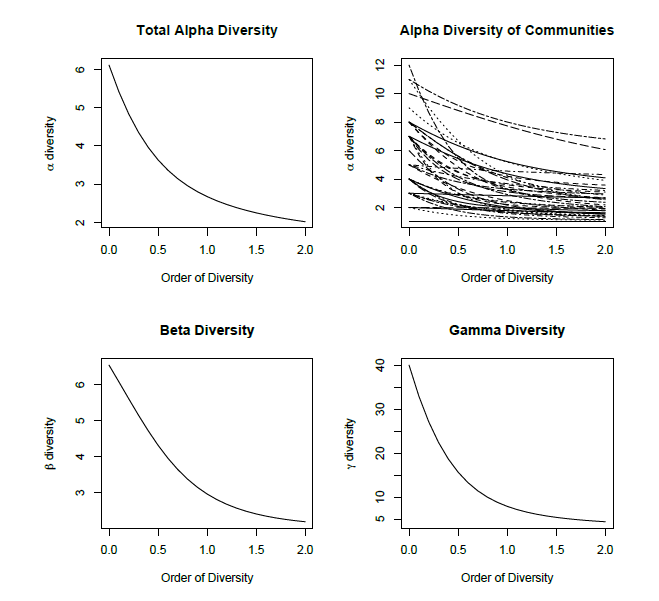
After this introductory unit, the first practical unit will be devoted to briefly introduce the R software. Biodiversity partitioning will be the subject of the next two units, where methodology and software for γ , α and β diversity profiling will be described and applied to a sample data set. The theory behind mixed effects modeling will be sketched and applied to investigate the variation of biodiversity measures. The last practical unit exemplifies the use of the R implementation of mixed effects modeling routines with data from ecological surveys. Finally we will summarize and exemplify the proposed methods with the complete analysis of a case study.

This tutorial is a practial guide for Species Distribution Modelling (SDM). The tutorial will use the "dismo" package of "R" and will show the guidelines on how to model species distribution starting from occorency data (got from internet, or users ones) and a set of bioclimatic variables.
After a brief introduction of SDM, with some examples of biological application, this tutorial will show a guide (split in 5 main sections or modules) that leads the user step by step how to obtain a distribution map. Afterwards there will be some suggestions on how to deal with common issues and statistical errors that may affect the analysis and to evaluate properly the output. 

The Incidence Function Model describes presence/absence of a species in the patches of a highly fragmented landscape at discrete time intervals (years) as the result of colonization and extinction processes. The IFM ignores local dynamics sin ce they are faster than metapopulation dynamics in producing changes in the size of local populations (Hanski, 1994).
In the IFM, the process of occupancy of patch i is described by a first-order Markov chain with two states, {O, i} (empty and occupied, respectively). The extinction probability of a population in a patch is constant in time and is assumed to decrease with increasing patch area, and the colonization probability is assumed to be a sigmoidal function increasing with connectivity. The IFM is the best known spatially explicit metapopulation model in literature.
This model has been applied to conservation problems and to area-wide pest-management.
First, a short introduction to discrete time, finite space, homogeneous Markov chain will be provided, aiming at understanding the basic mathematics of the IFM. Then, the IFM model will be discussed by deeply considering (a) the role of the parameters and how they affect metapopulation dynamics; (b) variations to the basic model (rescue effect, time-dependent colonization probabilities). Finally, we will move on to the use of the free software R to deal with simulation and parameter estimation.

 
Background
 
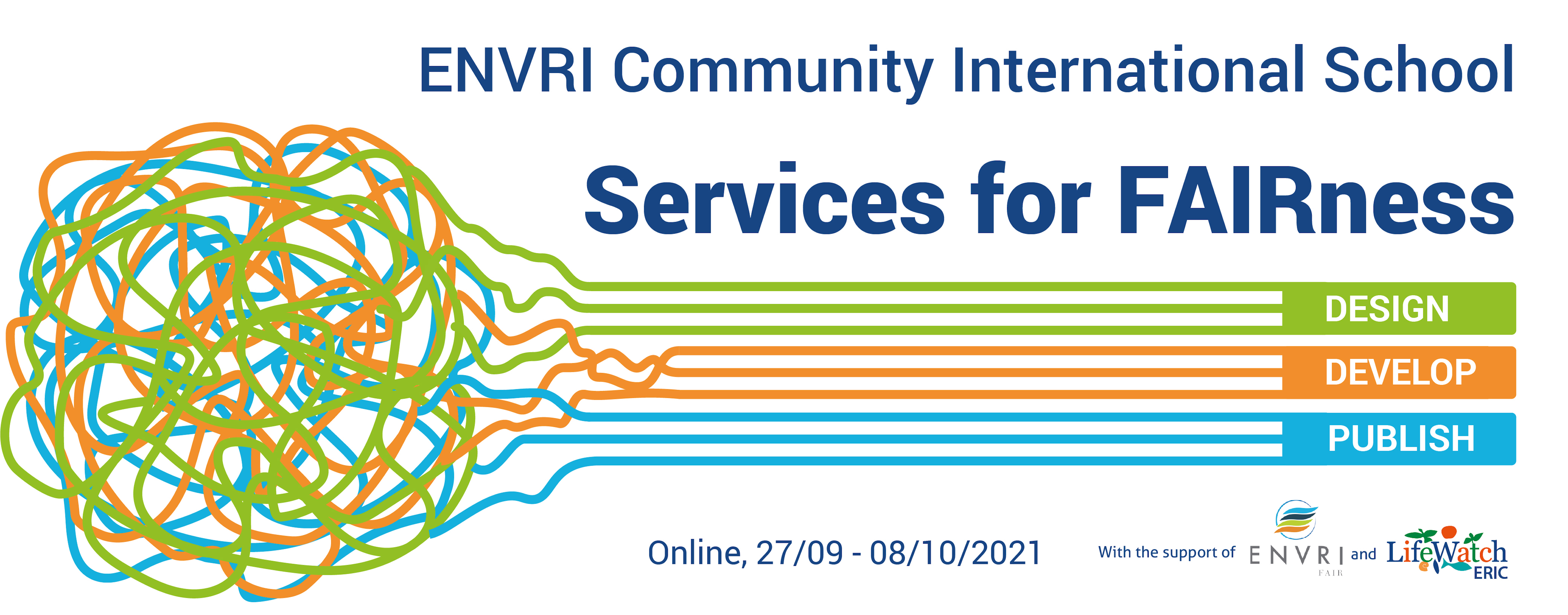
This fourth edition of the ENVRI FAIR School represents another unmissable opportunity to learn about FAIRness in the framework of Research Infrastructures. After dealing with Data FAIRness and Data Management during previous editions, this edition of the school focuses on Services for FAIRness, from their design to their development and publication.
 
Learning Objectives
It is expected that, by the end of the course, participants will be better positioned to:
1. Examine approaches and methodologies to webservices for data
2. Map tools and their related characteristics
3. Illustrate potential security threats and related solutions
4. Design (step by step) data services 
5. Develop and publish a data service
 
 
Contents and Structure
Training Sessions:
1. Overview on the ENVRI project and goals
2. Design webservices for data
3. Develop webservices for data
4. Publish and secure data services by means of APIs
5. Best practices and lessons learned (experts panel)
 
Target Audience
The resource is aimed at ENVRI data centres staff, RIs representatives, IT experts, researchers and PhD candidates and individuals interested in developing webservices.

The Master in e-Biodiversity and Ecosystem Sciences (EBES) degree is offered by the University of Salento and LifeWatch ERIC, to prepare the next generation of professionals to apply data tools and concepts to ecology, and develop innovative, interdisciplinary solutions to environmental issues.

Background

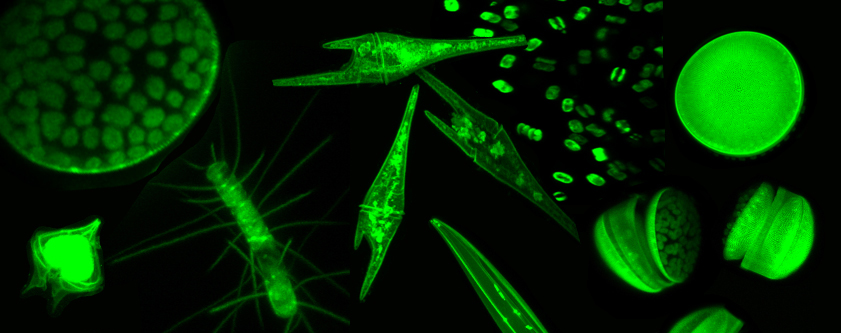
Phytoplankton plays an important role in aquatic ecosystems as it accounts for most of global primary production and affects the biogeochemical processes, trophic dynamics and biodiversity architecture. LifeWatch Italy, one of the ERIC's national nodes, designed the Phytoplankton Virtual Research Environment (Phyto VRE) to support researches on phytoplankton guilds and their relative structure, organization and ecological function. The Phyto VRE services, in fact, enable researchers to analyse and process phytoplankton data at a level of resolution from individual cells to whole guilds. In particular, the Atlas of Phytoplankton and the Atlas of Shapes provide harmonised data on taxonomy and morphological and demographic traits.


Learning Objectives

It is expected that, with this tutorial, participants will be better positioned to:

1. Illustrate how to access and navigate the two Atlas of the Phyto VRE

2. Discuss the main characteristics of a phytoplankton species

3. Examine the possible shapes of a phytoplankton species

4. Present the computational models for surface area and volume of phytoplankton species


Contents and Structure

Training Blocks:

1. Introduction to Phytoplankton Species and Shapes

2. Atlas of Phytoplankton

3. Atlas of Shapes

4. Presentation of Computational Model service

5. Overview of LifeWatch Italy Phytoplankton VRE services


Target Audience

The resource is aimed at marine, transitional and freshwater scientists and students involved in phytoplankton identification, classification, morphological traits association and measurement.

Authors: Colangelo, Oggioni, Tagliolato 

Coordinator: Colangelo 


This workshop showcases the results of five research endeavours into Non-indigenous and Invasive Species conducted in the midst of the LifeWatch ERIC Internal Joint Initiative. It also presents the Tesseract workflows created by the ICT-Core to accommodate the analytical processes required for these researches.


The hands-on session navigates the LifeWatch ERIC Metadata Catalogue and LifeWatch ERIC Tesseract (workflows and VREs).